

Can Exercise Improve Fertility? Here’s the Truth
If you’re trying to conceive, you’ve probably kind of wondered whether your workout routine is helping, hurting, or just, honestly, irrelevant. The truth about exercise and fertility is pretty straightforward but still messy in real life: it depends on how much and how hard you’re pushing, day after day.
The right kind of movement for getting pregnant can genuinely support your body—but if you overdo it, then the activity can start working against you. This guide sort of pulls together what the research says about fertility and physical activity and how to use it as one of your practical preconception health tips, so it doesn’t stay just a theory.
Why Movement Matters When You're Preparing for Pregnancy
These are some of the most reliable fertility improvement tips available, and none of them requires anything extreme.
Regular movement isactivity and the simplest way to improve fertility naturally:
-
Balances hormones—lowers cortisol and insulin, supporting a more regular cycle and predictable ovulation
-
Keeps weight in a healthy range—a healthy BMI supports reproductive health and is part of a genuinely healthy lifestyle for pregnancy; it's a good time to reach that range, though actively losing weight once pregnant isn't recommended
-
Improves PCOS symptoms—regular exercise, including resistance training, genuinely improves insulin sensitivity
-
Improves sperm quality—moderate activity is linked to better sperm concentration, movement, and shape
-
Reduces stress—no strong evidence that stress alone causes infertility, but stress/anxiety can affect sex drive and cycle regularity
Workouts for Women Trying to Conceive: How Much Is Enough?
If you're looking for practical workouts for women trying to conceive, here's a reasonable, evidence-based target:
-
150 minutes/week moderate activity (brisk walking, dancing, swimming) or 75 minutes/week vigorous activity, spread across 4–5 days
-
Strength training 2x/week, covering major muscle groups—resistance bands, weights, Pilates, or yoga all count
-
Less sitting overall, with regular movement breaks through the day
-
Gut check for "moderate": you can talk but not sing while doing it—too breathless to talk means it's vigorous
Simple ways to fit exercise for getting pregnant into daily life with—too—gym:
-
Walk or cycle short distances instead of driving
-
Take calls standing or walking
-
Use a step counter
-
Walk your kids to school
Exercise Effects on Ovulation: Is There Such a Thing as "Too Much"?
Yes—and this is the part most people don't hear enough about when it comes to exercise effects on ovulation.
Where the risk starts rising:
-
Doing weekly vigorous activity above roughly 5–6 hours, or daily high-intensity training, is linked with higher subfertility risk—especially in women with normal or lower body weight, so it sort of shows up that way in the data.
-
One study that’s often mentioned reports that women who scored “high” on a combined measure of exercise frequency and intensity were about 1.5x more likely to experience subfertility than those who scored “low.”
-
Then, another big study found that women doing 4+ hours of vigorous exercise each week for 1–9 years had lower pregnancy rates compared with women who didn’t exercise… though the same tendency didn’t stay true for those exercising for 10–20 years. The researchers say it’s difficult to fully interpret or explain completely.
What's actually driving these exercise effects on ovulation—energy, not exercise:
-
A randomized controlled trial found the fertility-disrupting effect was tied to being in an energy deficit, not the training load itself
-
This means the effects are often reversible—either by increasing calorie intake to match training or easing intensity specifically during the follicular phase (the first half of your cycle, before ovulation)
-
Same pattern in men: intense endurance training or heavy cycling is linked to lower testosterone and reduced sperm count/quality—and these effects tend to reverse once training and calories are rebalanced
Signs you may have crossed into overtraining territory:
-
Periods becoming irregular or stopping altogether
-
Feeling depleted rather than energized after workouts
-
Not eating enough to cover what you're burning
-
Exercise feeling compulsive rather than enjoyable (sometimes linked to eating disorders or OCD in more serious cases)
What About Men?
-
Fertility and exercise aren't only a "women's issue."
-
Moderate activity supports better semen quality, steadier hormones, and improved blood flow to reproductive organs
-
Heavy endurance training can work against sperm health—through hormone disruption and related habits like tight clothing and frequent overheating
Fertility and Physical Activity During IVF and Assisted Reproduction
The research on fertility and physical activity during fertility treatment is more reassuring than most people expect—because ovulation is controlled medically rather than through a natural cycle, exercise mostly loses its potential to disrupt it.
What the studies found:
-
In a study with 216 obese women who had PCOS and were going through IVF/ICSI, the regular exercisers had a pretty clear bump in pregnancy rate (39% vs. 16%), and also in birth rate (24% vs. 7%), compared with the women who didn’t really exercise at all.
-
Then there’s another report where more recreational activity went along with more eggs retrieved. The interesting part was that moderate, not very vigorous, weekly activity seemed to predict better odds of live birth.
-
Also, one big study that followed more than 2,000 couples showed that long-term vigorous exercisers had lower pregnancy rates, but the overall pattern didn’t hold cleanly across everything, so researchers think it could be other hidden differences, not exercise itself, driving it.
-
Finally, a larger Australian meta-analysis pulling together multiple IVF studies concluded that fertility and physical activity were associated with higher pregnancy and live birth rates. And it looked like the upside was even stronger for women with higher BMI, PCOS, or insulin resistance, as if those factors made the association more pronounced.
What this means for you:
-
The old “minimal to no exercise” advice during IVF is getting reconsidered more and more; light to moderate activity seems ok and probably helpful for most women, kind of like it.
-
A safe default if you are trying to conceive is walking and easy jogging; no equipment is really needed, gentle on the body, and usually safe to keep going even as pregnancy moves along.
-
If you already have a routine, you usually don’t have to quit it, but you should ask your clinic first about dialling things back around the hormonal stimulation and egg retrieval window, because as follicles grow, higher-impact movement can feel uncomfortable pretty fast.
-
And if you have PCOS, whether lean or overweight, more vigorous exercise plus resistance training can deliver real insulin-related advantages, so it is often worth continuing that part.
More Preconception Health Tips for a Smooth Journey
Small, consistent habits like these—combined with the right approach to improve fertility naturally—tend to matter more for preparing for pregnancy than any single dramatic change.
Beyond exercise, a few more preconception health tips are worth folding into your routine while preparing for pregnancy—because exercise for getting pregnant works best as part of a bigger picture, not on its own:
-
Eat a balanced diet that matches your activity level, so you're not accidentally running an energy deficit—a cornerstone of any genuinely healthy lifestyle for pregnancy
-
Prioritize sleep—poor sleep affects the same stress hormones that regular movement helps regulate
-
Limit alcohol and quit smoking, both of which independently affect fertility in men and women
-
Keep up regular check-ins with your GP, especially if your cycle changes as you adjust your training
FAQs on Exercise and Fertility
1. Can exercise make you more fertile?
Indirectly—through hormone balance, healthier weight, and better insulin sensitivity, rather than "boosting" fertility directly.
2. What is the #1 cause of infertility?
No single leading cause—ovulation disorders, structural issues, male-factor infertility, and age-related decline in egg quality are all common, often overlapping.
3. Can exercise delay ovulation?
Yes, if vigorous and sustained enough to create an energy deficit—more common with high training volume than daily moderate activity.
4. Does exercise affect fertility in women differently than men?
The same underlying principle (moderate helps, excessive can hurt) shows up as irregular ovulation in women and lower sperm quality in men.
5. Is yoga a good exercise to get pregnant faster?
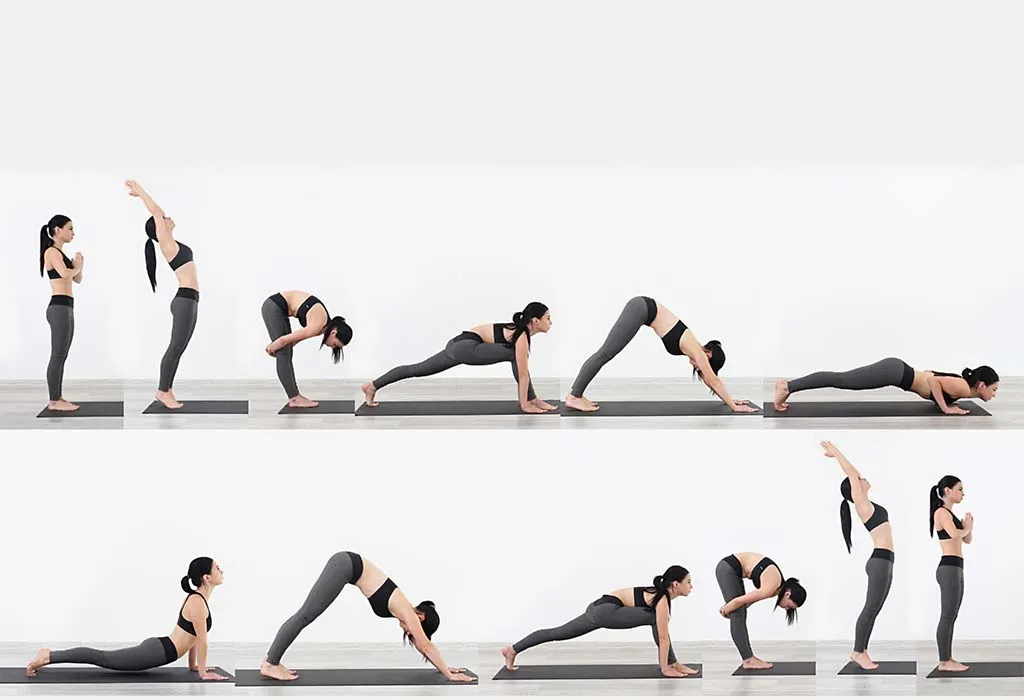
Won't guarantee pregnancy alone, but as a low-impact, stress-reducing, moderate activity, it fits well into a routine built around workouts for women trying to conceive.
6. At what age do fertility issues typically start increasing?
Egg quality/quantity declines gradually from the early 30s, more steeply after 35—varies a lot from person to person.
The Bottom Line: exercise for getting pregnant
The connection between movement and conception is clear: exercise for getting pregnant works best when it's consistent and moderate, not extreme.
Following these fertility improvement tips—staying active, fueling properly, and managing stress—is one of the simplest ways to improve fertility naturally, build a healthy lifestyle for pregnancy, and keep your body ready as you're preparing for pregnancy. And if none of this feels like it's clicking on its own, that's exactly what a few more fertility improvement tips from your GP or fertility specialist can help untangle.
The goal isn't to train harder—it's to train smart, fuel your body properly, and pair it with the other basics—diet, sleep, and stress management—so you're set up to improve fertility naturally rather than looking for a shortcut in exercise alone.